Transfer 16mm Film to DVD or Digital
16mm Film Transfer
Reel in the memories. Roll out the digital.
If your grandparents were tech savvy enough – or just overly nostalgic – then you may be lucky enough to have some 16mm film treasures hidden away.
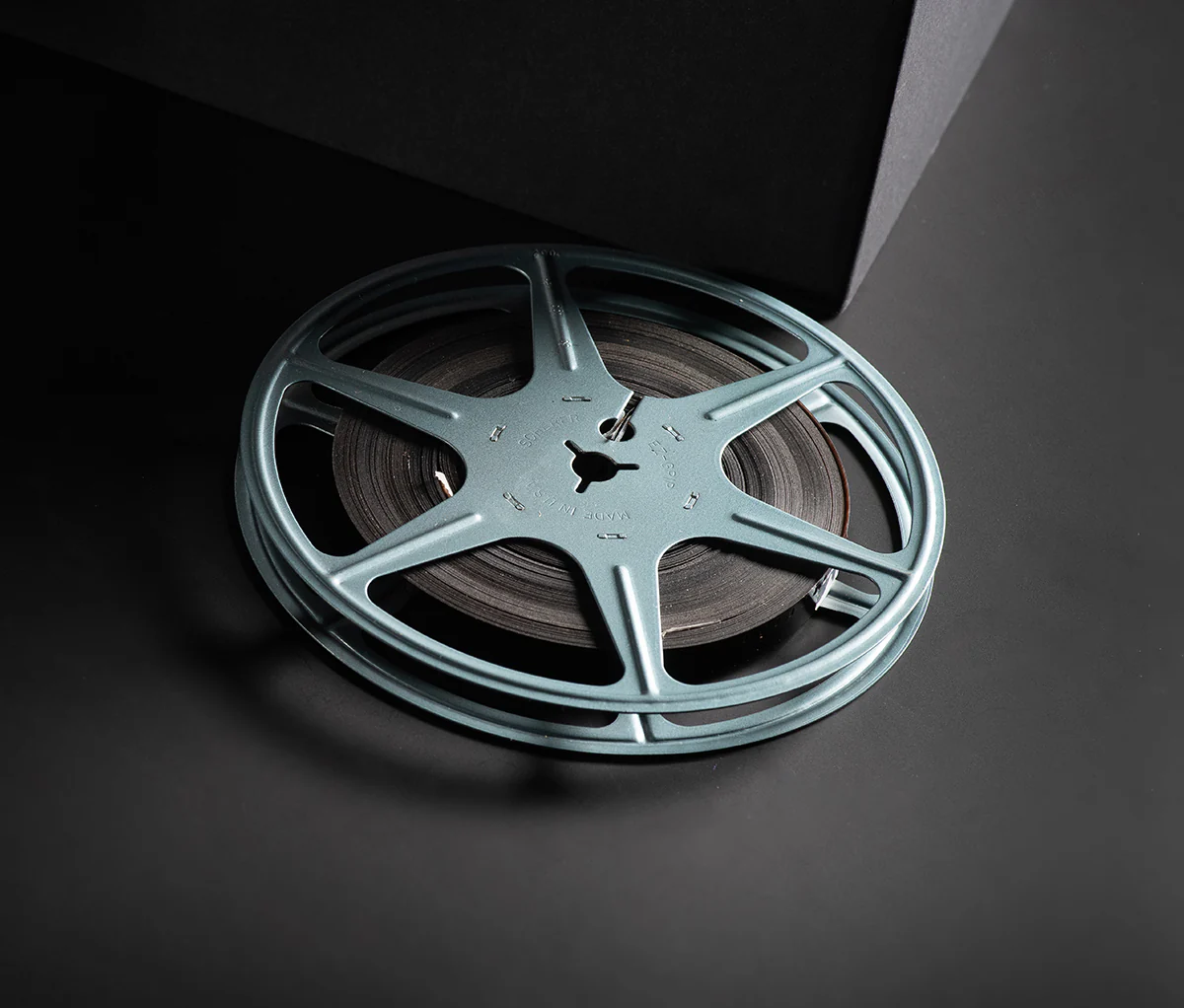
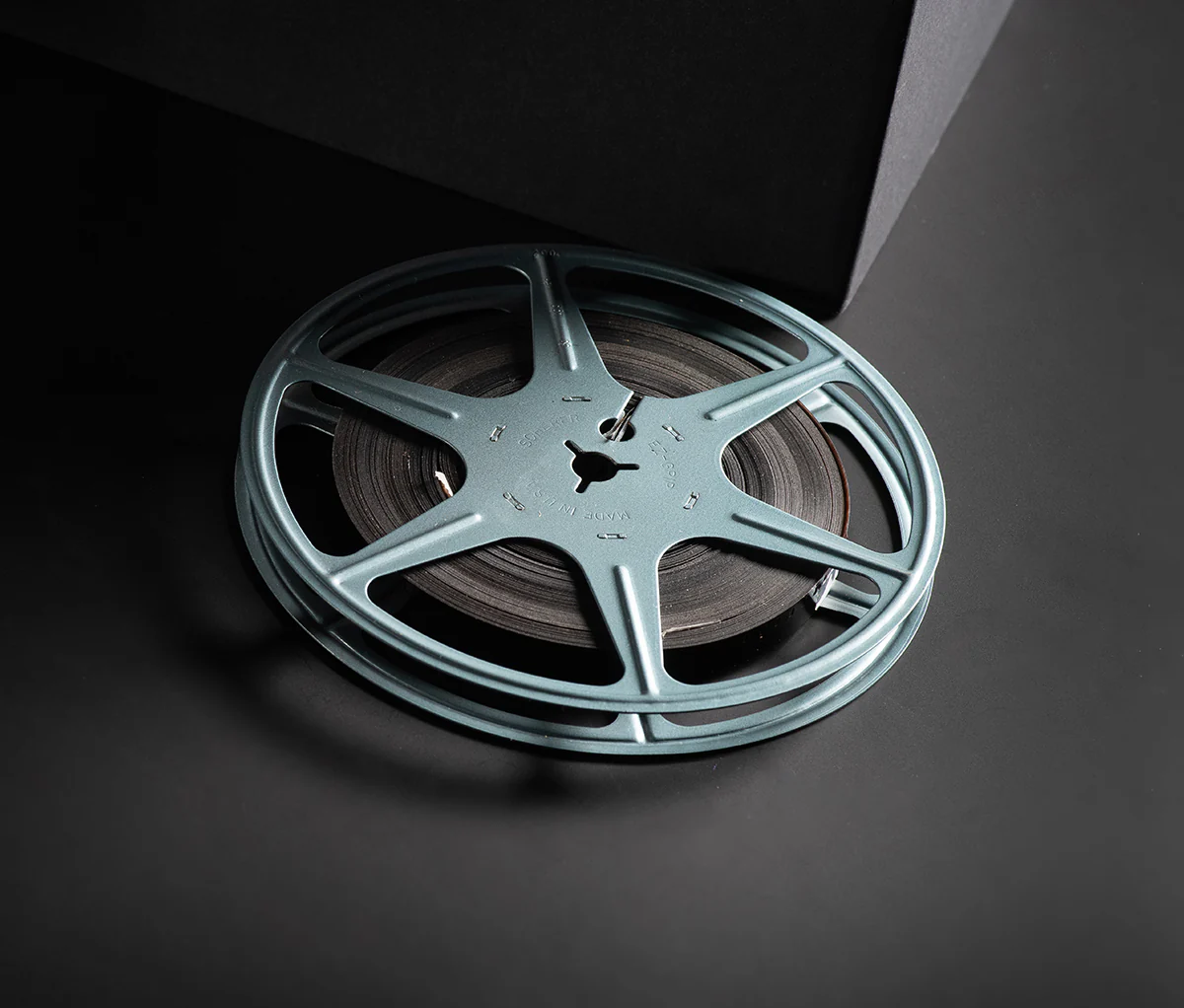
As one of the earliest video film formats, 16mm was stored on reels, shown on projectors and was (you guessed it) 16mm wide. And being one of the original film formats to hit the public, it makes it priority number one for digitizing for two reasons:
For starters, film was a place to store your favorite movies and home recordings, but it was never meant to keep them forever. The technology wasn’t future proof no matter how well you stored those reels. Think of it as if it was like a house to rent, and unfortunately for your memories, eviction is just around the corner. Secondly, do you even have a capable projector – let alone know where to easily find one? Didn’t think so.
But, that doesn’t mean all hope is lost when it comes to that old-school dose of nostalgia. Being one of the few film companies that was around before the creation of 16mm, we’re well-versed in the technology’s limits because we helped introduce it. And now, we’re here to help you preserve it through our fast and easy digitization process.
Back in the early 20th century, when the movie industry was just taking off, 35mm film was the norm. The problem was it was expensive and the equipment cumbersome. Unless you had a movie lot and crew (which, clearly the average American family had neither), capturing moments on film was an unrealistic dream. But by 1923, Eastman Kodak (that’s us!) released 16mm film as a more affordable amateur alternative to 35mm film. While Hollywood may not have been all that impressed, the smaller and less expensive 16mm film unlocked possibilities that once weren’t attainable for home filmmakers, amateur photographers, artists, educators, travelers, business and the government, like being the exclusive film used to capture events in WWII. We even commissioned a 16mm Kodascope Library back in the mid 1900s that became one of the first “buy or rent” film models, helping promote the format (and other future film formats).
On top of all those various industry doors opening, 16mm was also a safer format than 35mm. It used acetate safety as a film base, whereas 35mm film used a nitrate base that made it a highly combustible format. Yikes!
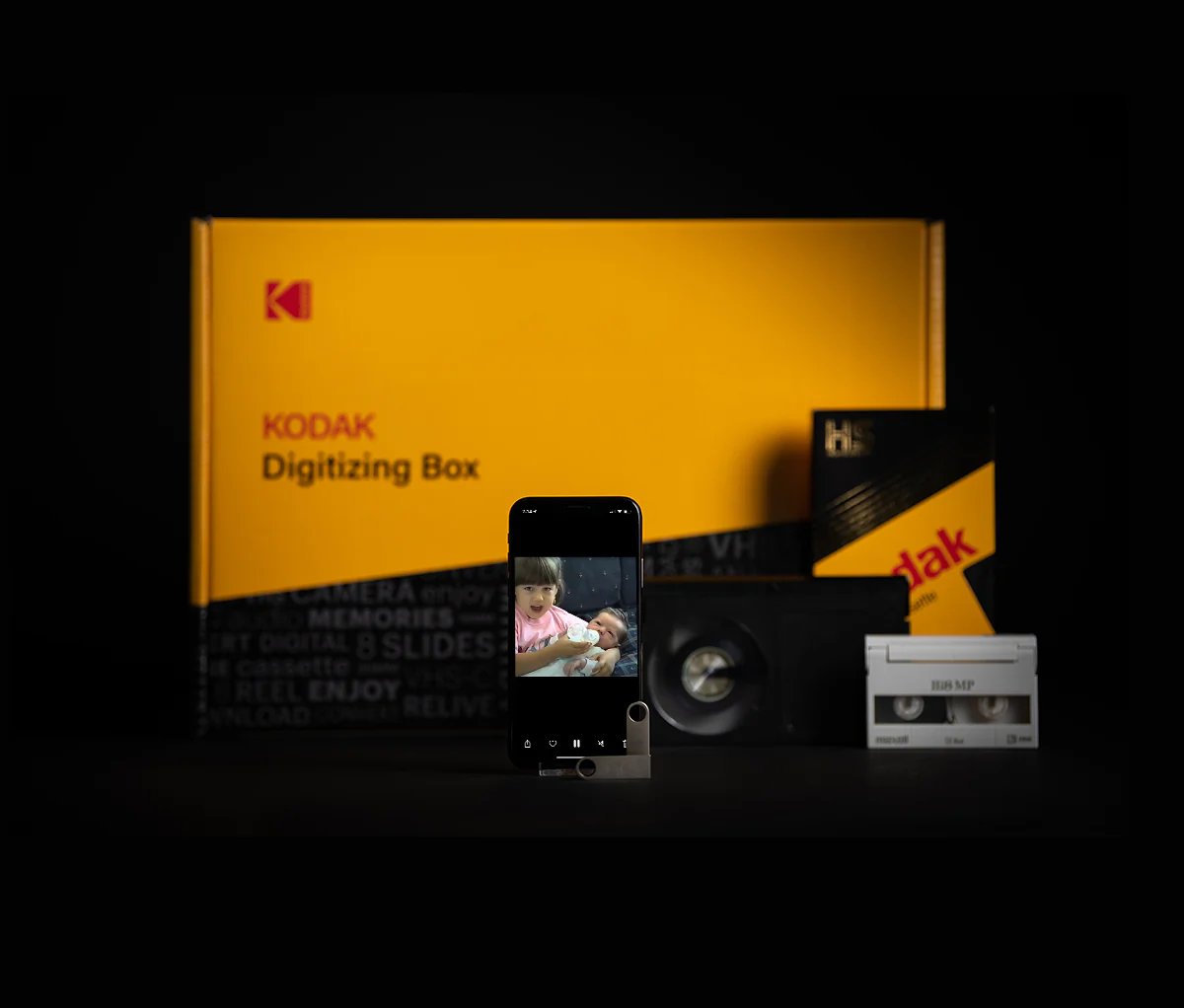
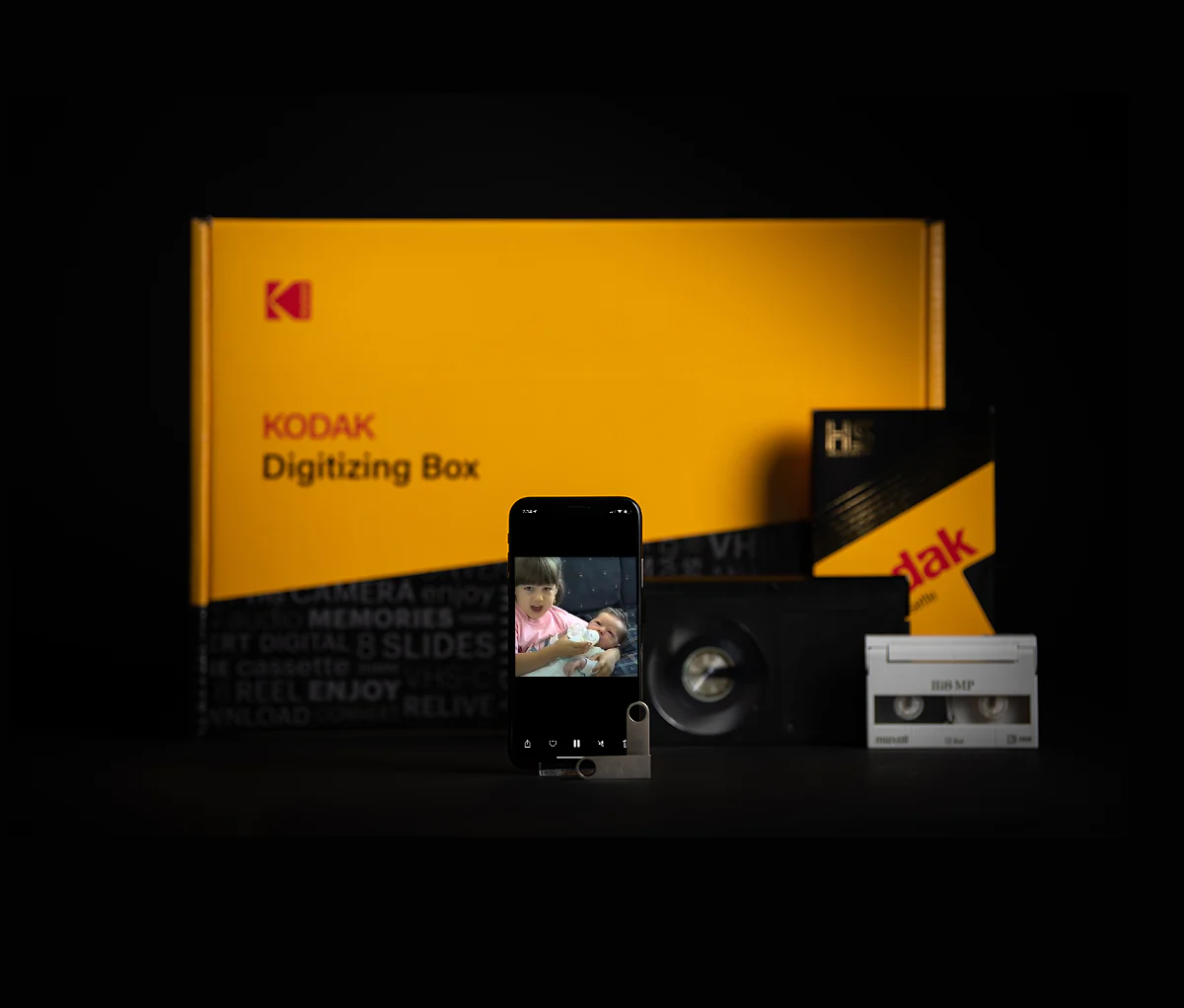
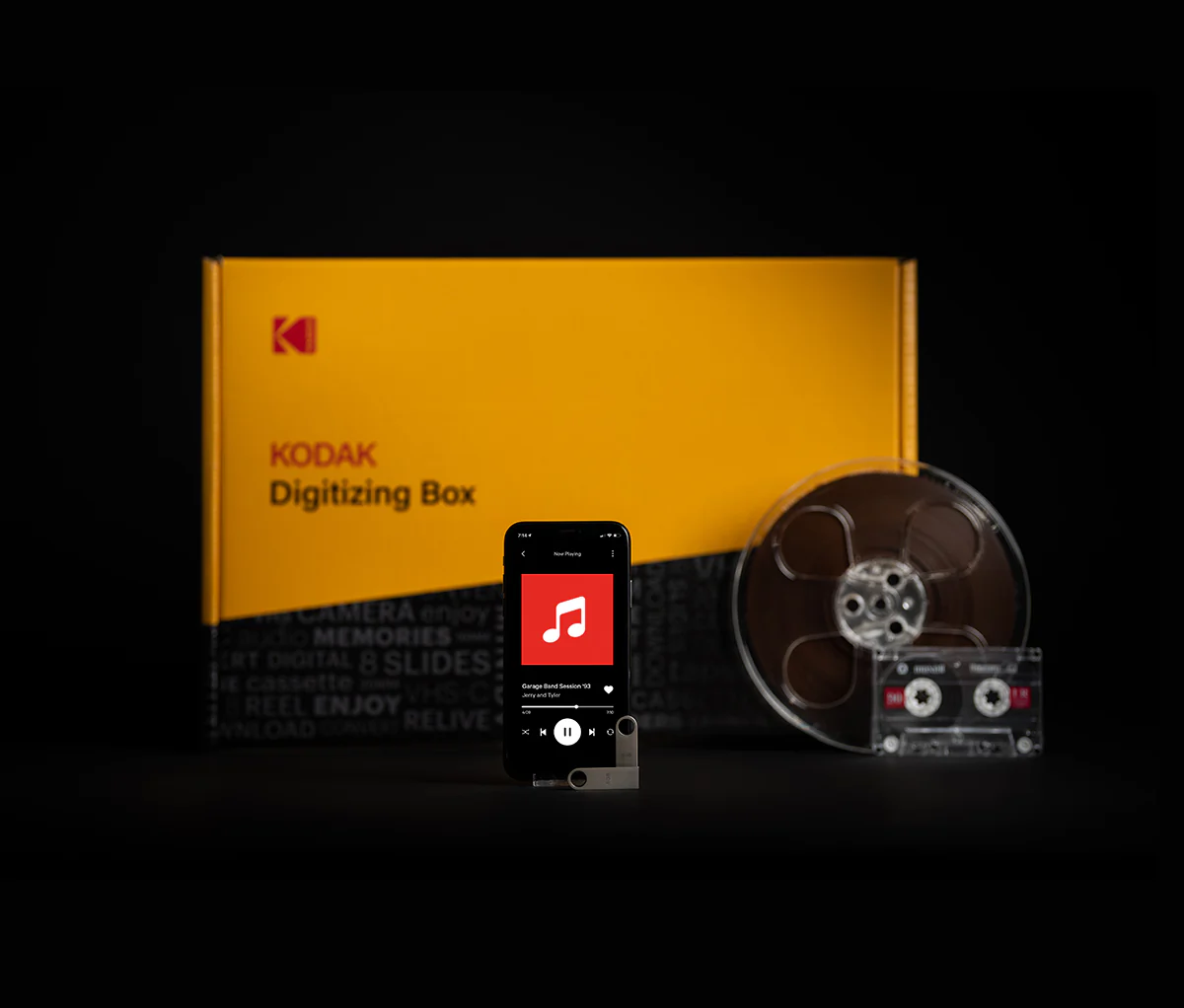
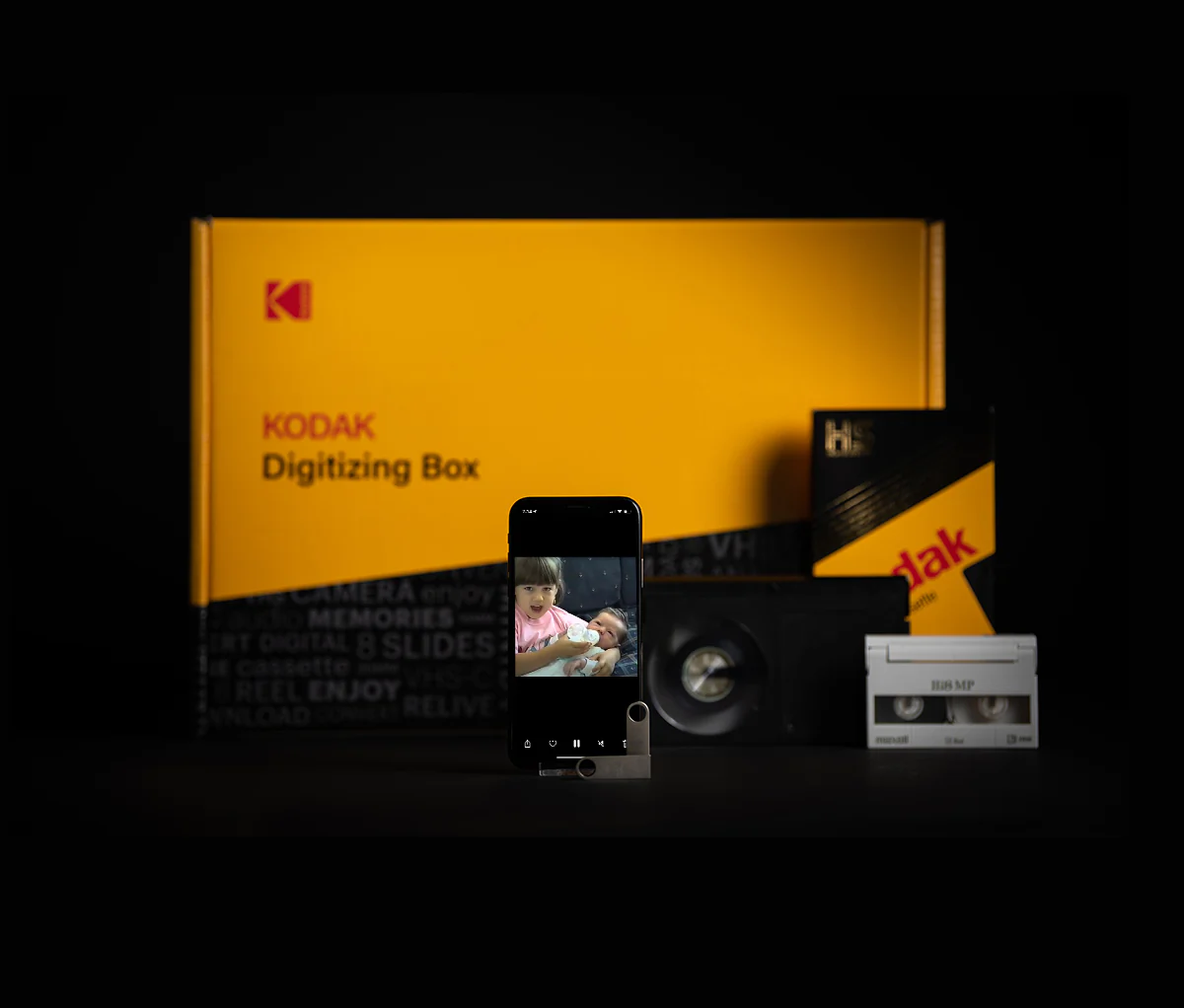
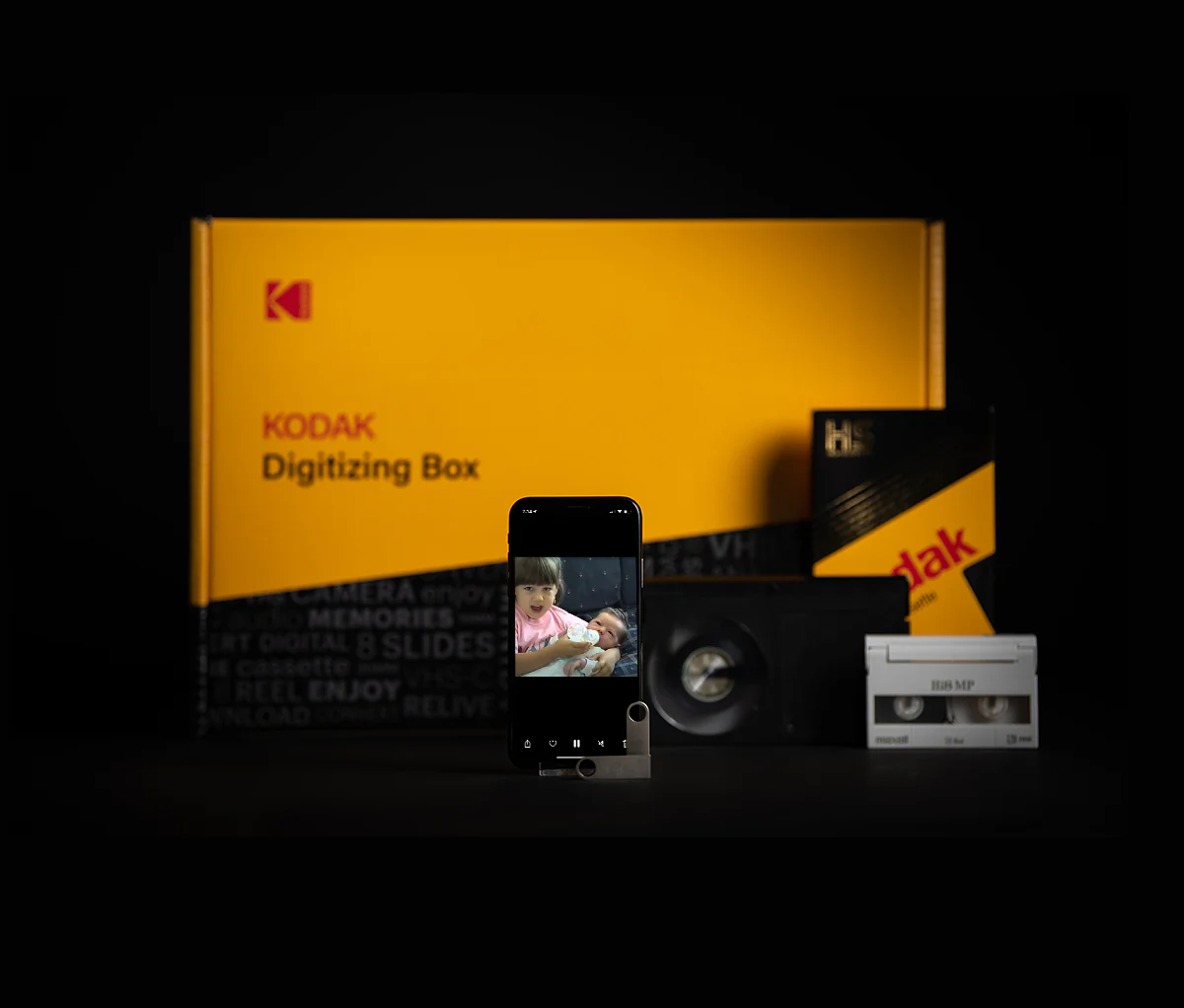
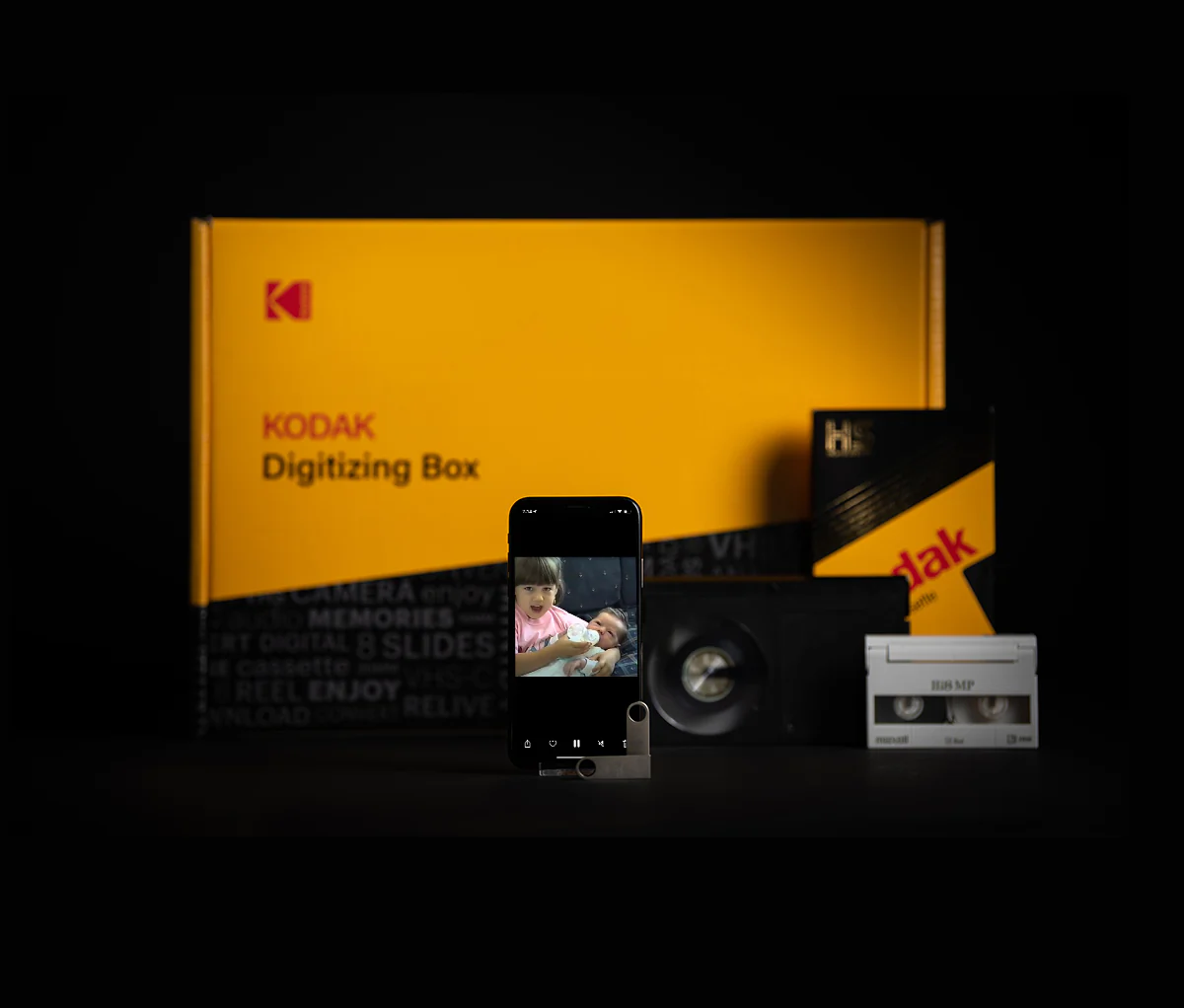
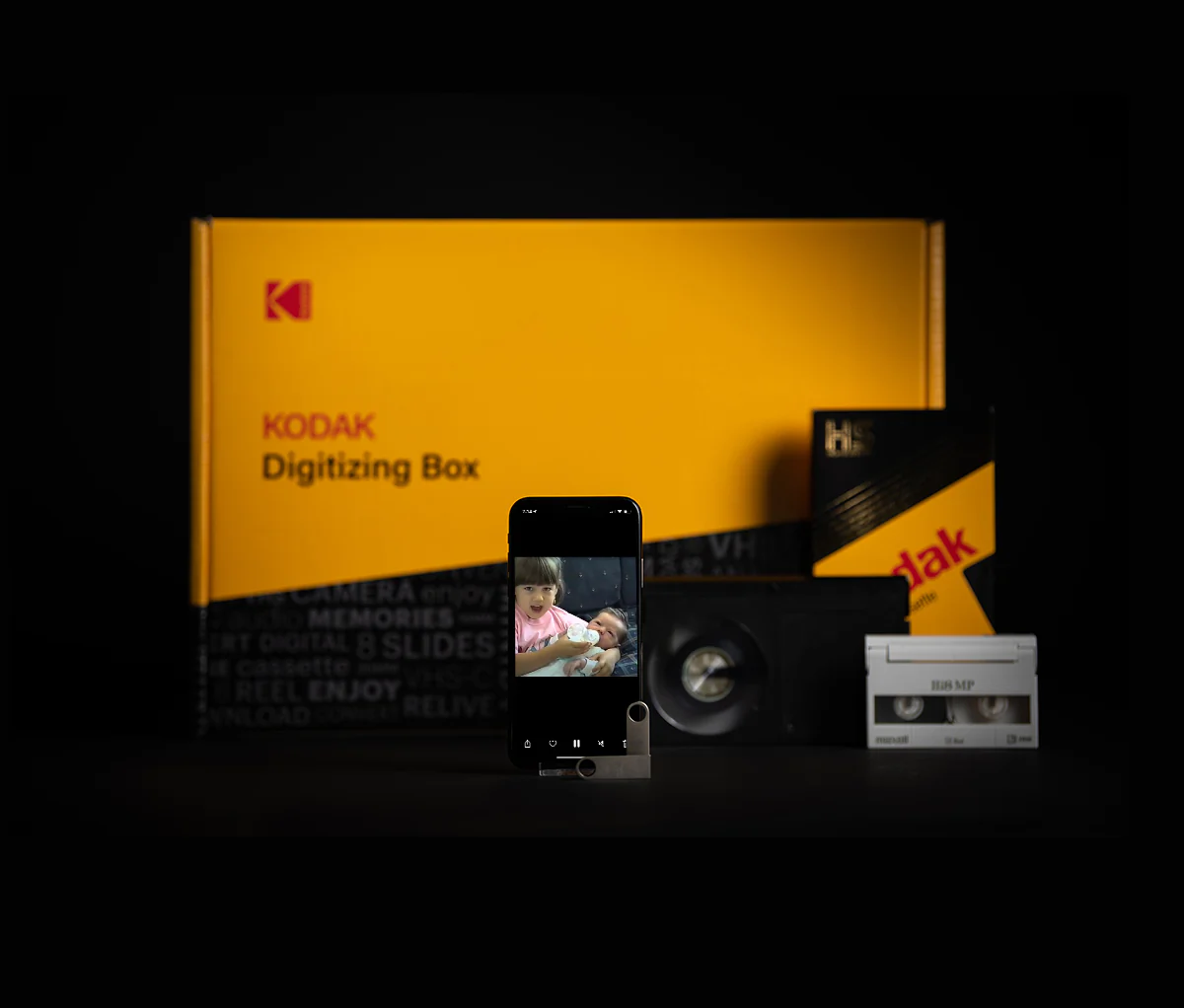
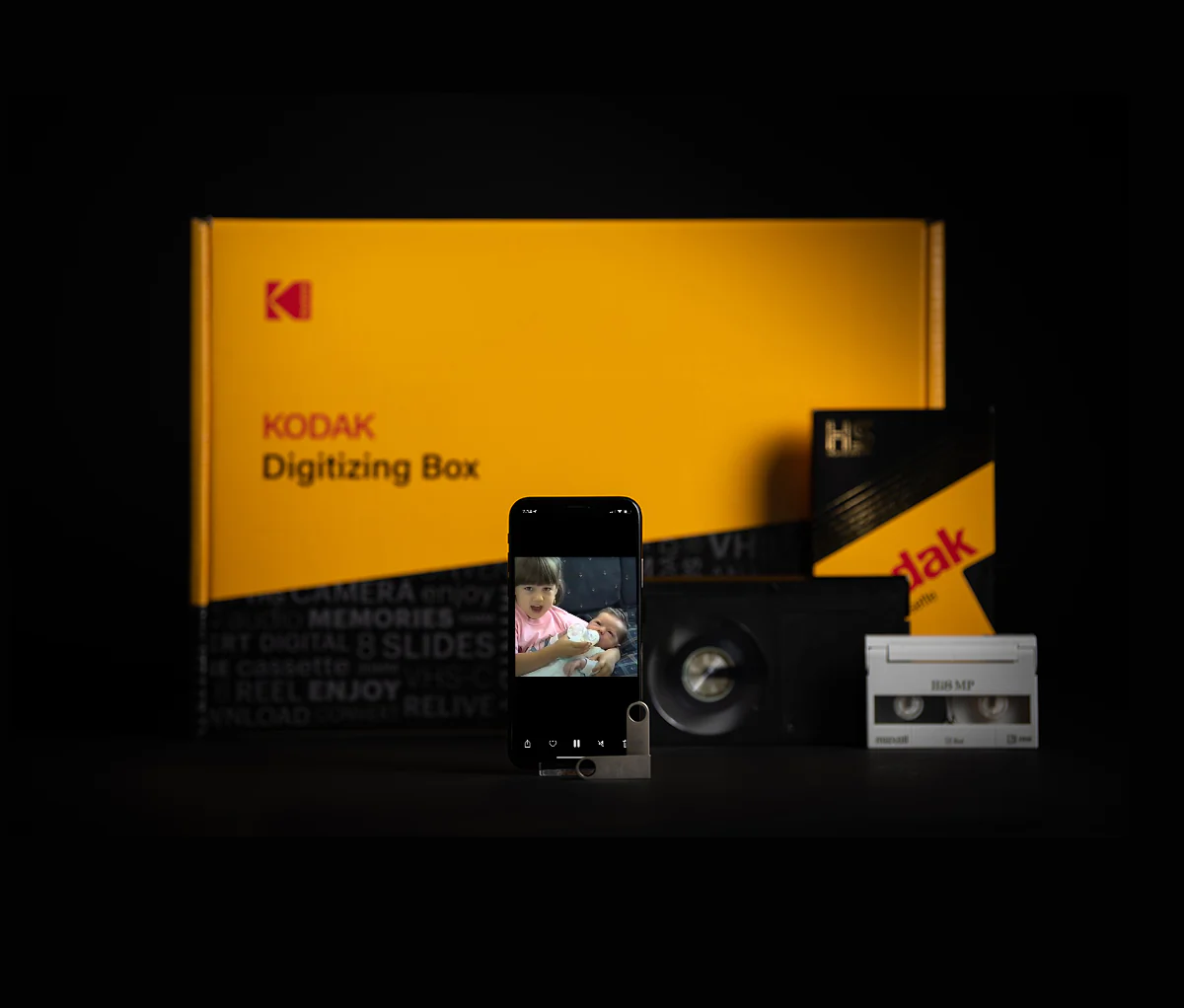
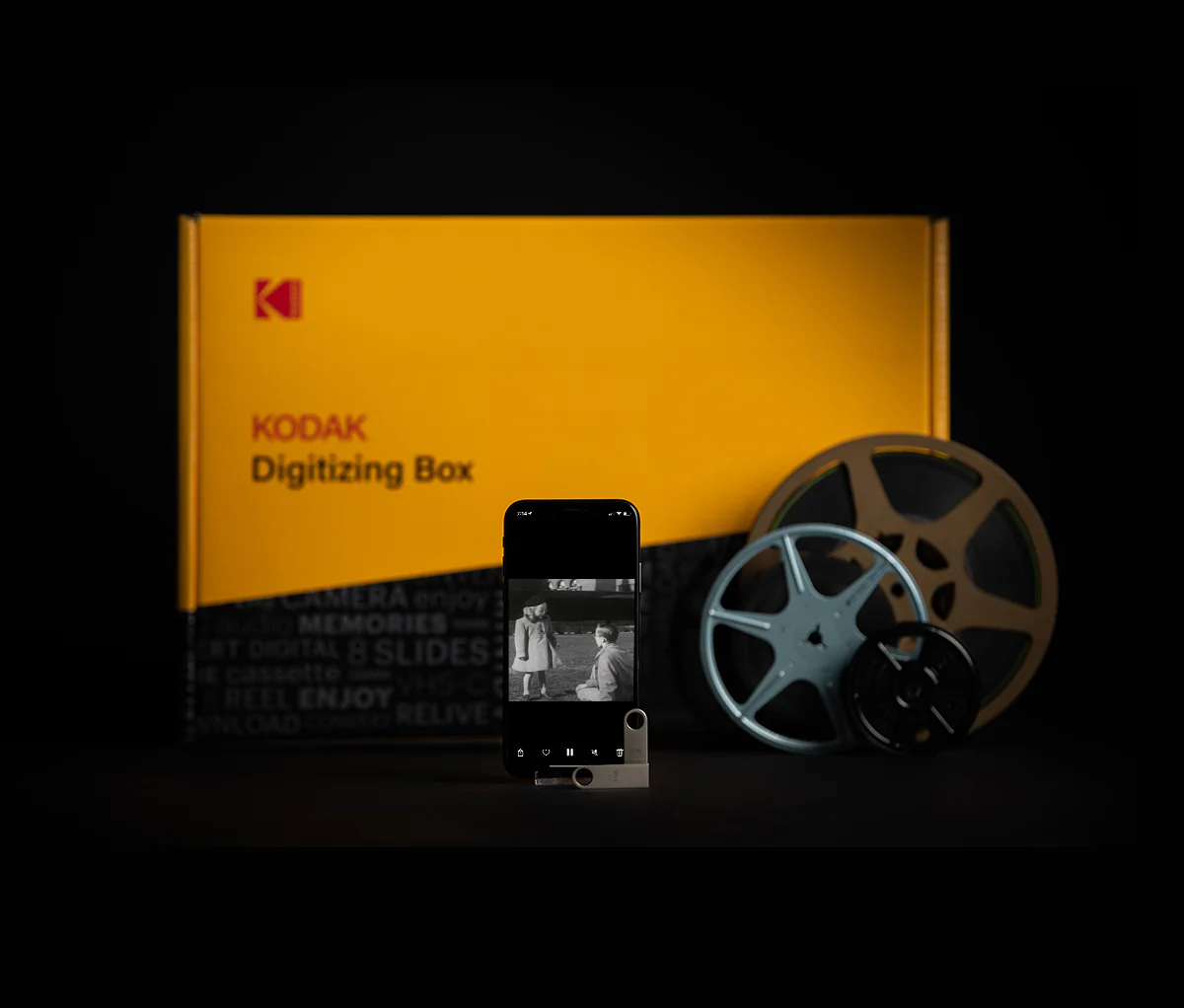
While that history lesson may be intriguing, it still doesn’t detract from the fact that your 16mm film’s life is nearing expiration, but only if you let it. Instead, let our team of qualified film technicians bring your analog film into the digital world – to DVD, thumb drive or the cloud. We convert thousands of feet of 16mm film in our studio every day, making sure each frame is crisp, color adjusted and rendered the best it possibly can be. We may even discover that some of your 16mm film had sound that wasn’t previously known. Just send us your reels in our pre-paid, crushproof and roundtrip shipping box, and we’ll take care of the rest – literally, safely and carefully digitizing every memory packed into each and every frame. We’ll even send you updates throughout the process, so you’re never in the dark about what’s happening. When we’re done with our conversion process, we’ll mail your original reels back along with the new digital formats.
Your 16mm film is an aging relic – don’t let the moments of an unforgettable past fade away. Convert today!
16mm Film Transfer
Reel in the memories. Roll out the digital.
If your grandparents were tech savvy enough – or just overly nostalgic – then you may be lucky enough to have some 16mm film treasures hidden away.
As one of the earliest video film formats, 16mm was stored on reels, shown on projectors and was (you guessed it) 16mm wide. And being one of the original film formats to hit the public, it makes it priority number one for digitizing for two reasons:
For starters, film was a place to store your favorite movies and home recordings, but it was never meant to keep them forever. The technology wasn’t future proof no matter how well you stored those reels. Think of it as if it was like a house to rent, and unfortunately for your memories, eviction is just around the corner. Secondly, do you even have a capable projector – let alone know where to easily find one? Didn’t think so.
But, that doesn’t mean all hope is lost when it comes to that old-school dose of nostalgia. Being one of the few film companies that was around before the creation of 16mm, we’re well-versed in the technology’s limits because we helped introduce it. And now, we’re here to help you preserve it through our fast and easy digitization process.
Back in the early 20th century, when the movie industry was just taking off, 35mm film was the norm. The problem was it was expensive and the equipment cumbersome. Unless you had a movie lot and crew (which, clearly the average American family had neither), capturing moments on film was an unrealistic dream. But by 1923, Eastman Kodak (that’s us!) released 16mm film as a more affordable amateur alternative to 35mm film. While Hollywood may not have been all that impressed, the smaller and less expensive 16mm film unlocked possibilities that once weren’t attainable for home filmmakers, amateur photographers, artists, educators, travelers, business and the government, like being the exclusive film used to capture events in WWII. We even commissioned a 16mm Kodascope Library back in the mid 1900s that became one of the first “buy or rent” film models, helping promote the format (and other future film formats).
On top of all those various industry doors opening, 16mm was also a safer format than 35mm. It used acetate safety as a film base, whereas 35mm film used a nitrate base that made it a highly combustible format. Yikes!
While that history lesson may be intriguing, it still doesn’t detract from the fact that your 16mm film’s life is nearing expiration, but only if you let it. Instead, let our team of qualified film technicians bring your analog film into the digital world – to DVD, thumb drive or the cloud. We convert thousands of feet of 16mm film in our studio every day, making sure each frame is crisp, color adjusted and rendered the best it possibly can be. We may even discover that some of your 16mm film had sound that wasn’t previously known. Just send us your reels in our pre-paid, crushproof and roundtrip shipping box, and we’ll take care of the rest – literally, safely and carefully digitizing every memory packed into each and every frame. We’ll even send you updates throughout the process, so you’re never in the dark about what’s happening. When we’re done with our conversion process, we’ll mail your original reels back along with the new digital formats.
Your 16mm film is an aging relic – don’t let the moments of an unforgettable past fade away. Convert today!
Description
16mm Film Transfer
Reel in the memories. Roll out the digital.
If your grandparents were tech savvy enough – or just overly nostalgic – then you may be lucky enough to have some 16mm film treasures hidden away.
As one of the earliest video film formats, 16mm was stored on reels, shown on projectors and was (you guessed it) 16mm wide. And being one of the original film formats to hit the public, it makes it priority number one for digitizing for two reasons:
For starters, film was a place to store your favorite movies and home recordings, but it was never meant to keep them forever. The technology wasn’t future proof no matter how well you stored those reels. Think of it as if it was like a house to rent, and unfortunately for your memories, eviction is just around the corner. Secondly, do you even have a capable projector – let alone know where to easily find one? Didn’t think so.
But, that doesn’t mean all hope is lost when it comes to that old-school dose of nostalgia. Being one of the few film companies that was around before the creation of 16mm, we’re well-versed in the technology’s limits because we helped introduce it. And now, we’re here to help you preserve it through our fast and easy digitization process.
Back in the early 20th century, when the movie industry was just taking off, 35mm film was the norm. The problem was it was expensive and the equipment cumbersome. Unless you had a movie lot and crew (which, clearly the average American family had neither), capturing moments on film was an unrealistic dream. But by 1923, Eastman Kodak (that’s us!) released 16mm film as a more affordable amateur alternative to 35mm film. While Hollywood may not have been all that impressed, the smaller and less expensive 16mm film unlocked possibilities that once weren’t attainable for home filmmakers, amateur photographers, artists, educators, travelers, business and the government, like being the exclusive film used to capture events in WWII. We even commissioned a 16mm Kodascope Library back in the mid 1900s that became one of the first “buy or rent” film models, helping promote the format (and other future film formats).
On top of all those various industry doors opening, 16mm was also a safer format than 35mm. It used acetate safety as a film base, whereas 35mm film used a nitrate base that made it a highly combustible format. Yikes!
While that history lesson may be intriguing, it still doesn’t detract from the fact that your 16mm film’s life is nearing expiration, but only if you let it. Instead, let our team of qualified film technicians bring your analog film into the digital world – to DVD, thumb drive or the cloud. We convert thousands of feet of 16mm film in our studio every day, making sure each frame is crisp, color adjusted and rendered the best it possibly can be. We may even discover that some of your 16mm film had sound that wasn’t previously known. Just send us your reels in our pre-paid, crushproof and roundtrip shipping box, and we’ll take care of the rest – literally, safely and carefully digitizing every memory packed into each and every frame. We’ll even send you updates throughout the process, so you’re never in the dark about what’s happening. When we’re done with our conversion process, we’ll mail your original reels back along with the new digital formats.
Your 16mm film is an aging relic – don’t let the moments of an unforgettable past fade away. Convert today!